#FlexibilityByDesign
The 2025 Theme – Redesigning Work for the Future
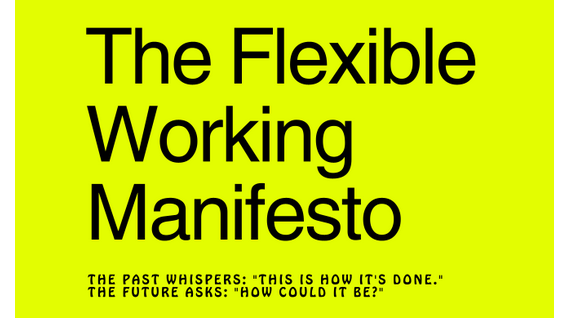
FlexibilityByDesign started out as our 2025 theme, and then we realised that it is so much more than that. While each year has a unique theme, #FlexibilityByDesign remains our overarching mission – the principle that work should be redesigned with flexibility built in, not bolted on.
Redefining Work for the Future
The way we work has evolved, but have our work structures evolved with it? Over the past few years, we've learned that flexible working isn't just about location or hours; it's about redesigning work itself to support different needs, roles, and industries. This theme, #FlexibilityByDesign, was about taking what we've learned and moving beyond outdated work models to create a future where flexibility is built in, not just bolted on.
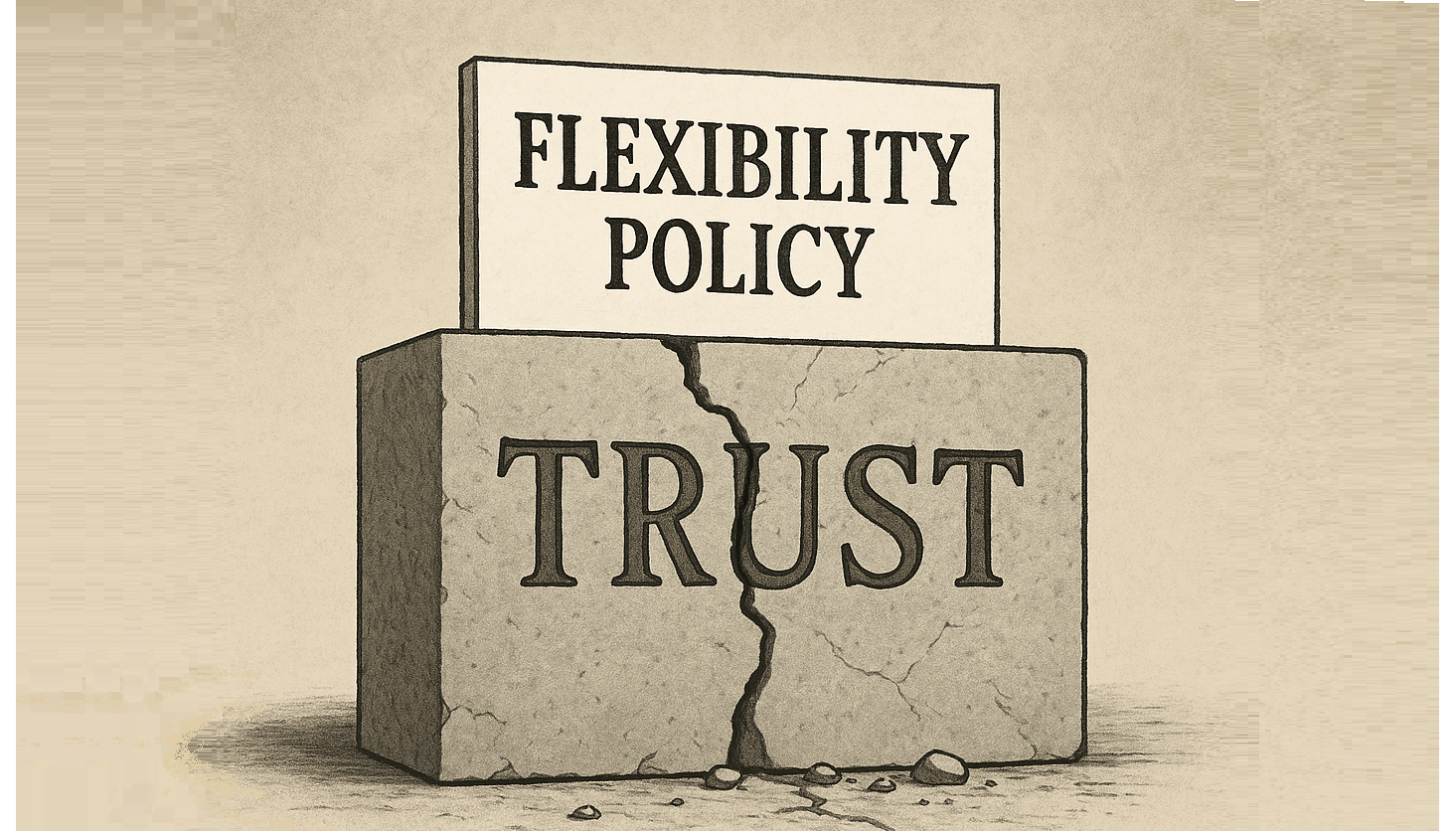
For years, the conversation around flexible working has been framed as a debate over whether it "works" or not. Today, after several years of lived experience, one thing is clear: it's not flexibility that doesn't work – it's outdated work models that don't support flexibility.
Too often, flexible work is judged through the lens of rigid, one-size-fits-all structures that were never designed to accommodate it. When these old systems struggle to adapt, flexibility is blamed for "not working". Yet the reality is that work wasn't designed with flexibility in mind – it was designed in a long past era where a single income was sufficient and extended families were the norm. Now is the ideal time to update this.
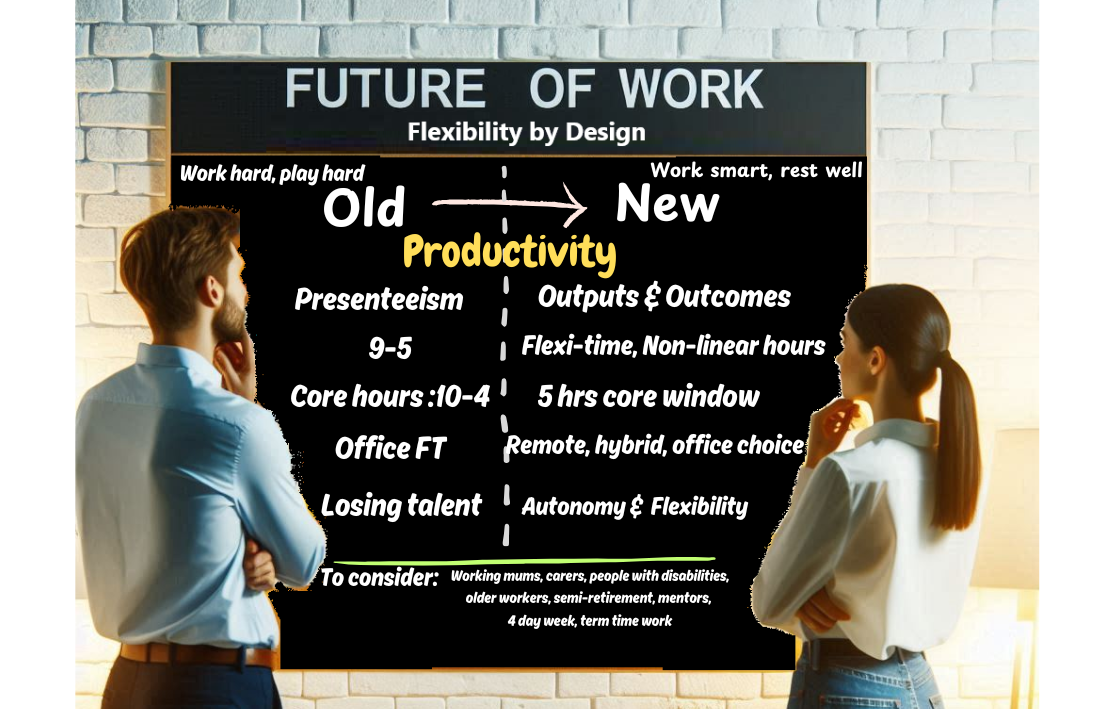
Now, with years of insight post-pandemic, we have an opportunity to move from temporary fixes to intentional, purpose-driven design. This means shifting away from arbitrary office mandates and outdated performance measures, and instead creating systems that focus on outputs, outcomes, trust, and adaptability. #FlexibilityByDesign is about moving beyond trial and error. We have the data, insights, and experience to positively redesign work so that different forms of flexibility are not just accommodated, but optimised.
Instead of wasting valuable time and effort repeatedly debating remote work versus office mandates, let's focus that energy on creating constructive, forward-thinking solutions that work for everyone.
Key Principles of #FlexibilityByDesign
1. Flexibility in Flexibility
True flexibility isn't about replacing one rigid model with another; it's about ensuring different industries, roles, and individuals can find solutions that work for them. The best workplaces recognise that flexibility about flexibility is key – different roles require different approaches, and a tailored strategy will always be more effective than a one-size-fits-all model.
2. Outputs and Outcome-Focused Work Structures
Flexibility isn't just about where we work; it's about how work is structured to enable productivity, inclusion, and well-being. By focusing on outputs and outcomes rather than presenteeism, hours logged or locations, organisations can create systems that empower employees to thrive.
3. Technology and Mindset Shifts
With the right structures, tools, and policies, flexible work can drive productivity, engagement, and business success. Technology plays a critical role in enabling seamless collaboration, while mindset shifts are essential to building trust and adaptability. Tools including communication tools (email, instant messaging, video conferencing), project management tools, time management tools, document sharing tools, remote access tools, and virtual meeting platforms enable employees to work effectively regardless of their location or schedule.
4. Tailored Flexibility with Tools Like MapMyFlex
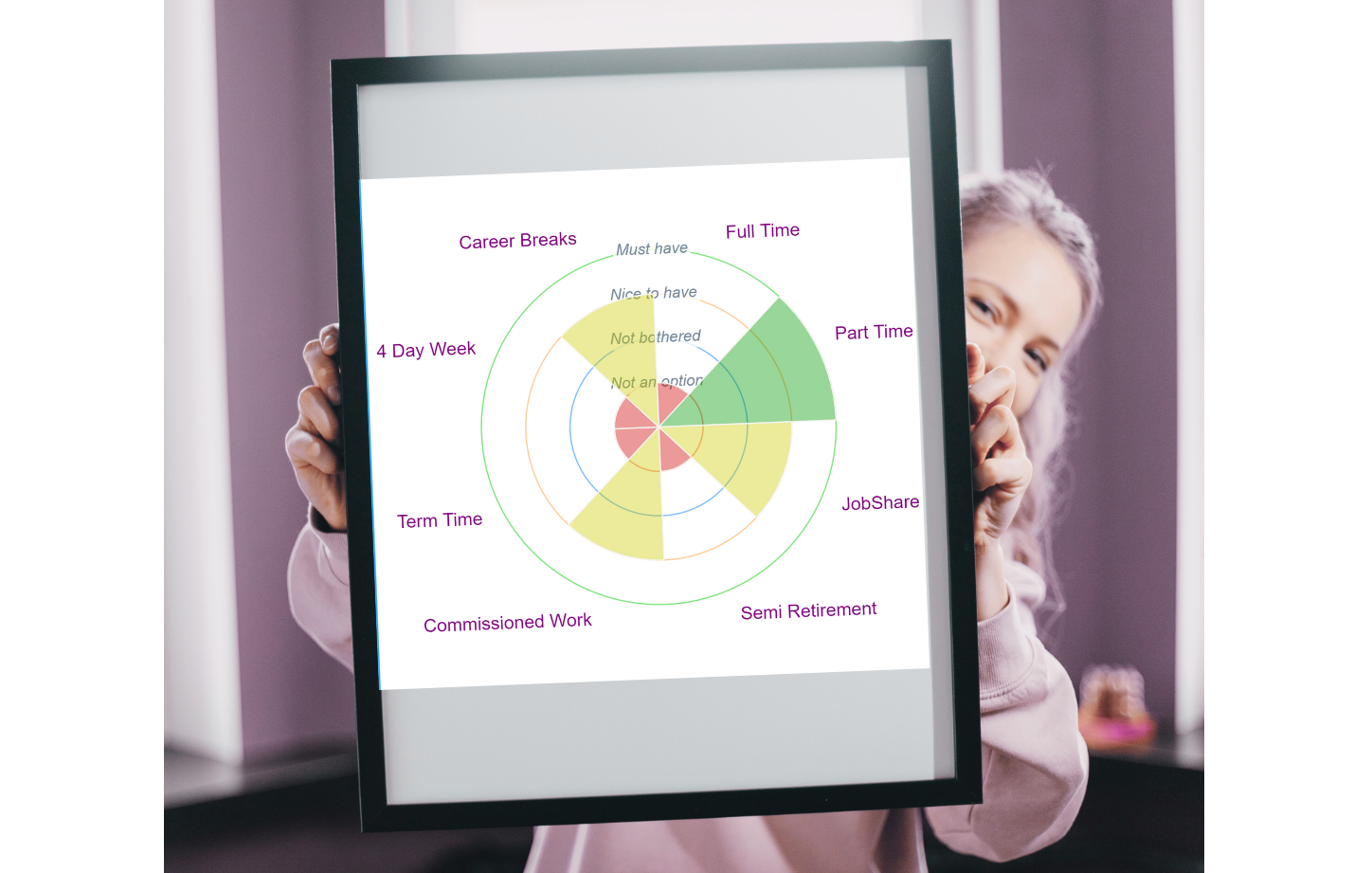
Solutions like MapMyFlex help businesses move from vague flexibility policies to actionable, data-driven designs, ensuring flexibility is intentional, sustainable, and effective. By embracing tools like these, organisations can design flexibility that works not just for individuals, but for teams and businesses as a whole.
The Future of Work: Designed for Flexibility
The future of work isn't about returning to the past – it's about redesigning work with flexibility built in from the start. It's time to stop making flexibility fit the old world and start creating a new world where flexibility thrives. By embracing #FlexibilityByDesign, we can move beyond resistance and outdated debates, and instead build a future where flexibility isn't a compromise – it's a competitive advantage, and it's the norm.
Join the Movement
On June 21st each year, join us for Flexible Working Day and be part of the conversation. Share your stories, insights, ideas, and best practices using #FlexibilityByDesign and #FairFlex, and let's shape the future of work – by design, not by default.
Together, we can create workplaces that are not only flexible but also inclusive, productive, and future-ready.